Beginner’s Guide to Microneedling: Tools, Techniques, and Skin Care Facts
Microneedling is now one of the most discussed skin-care methods among experts and house people alike. Designed to aid epidermis renewal, microneedling employs fine needles to produce controlled micro-channels on the skin's surface. For beginners, understanding what sort of microneedle Kit performs, how to put it to use safely, and what results to expect is essential for achieving obvious improvements while reducing risks.
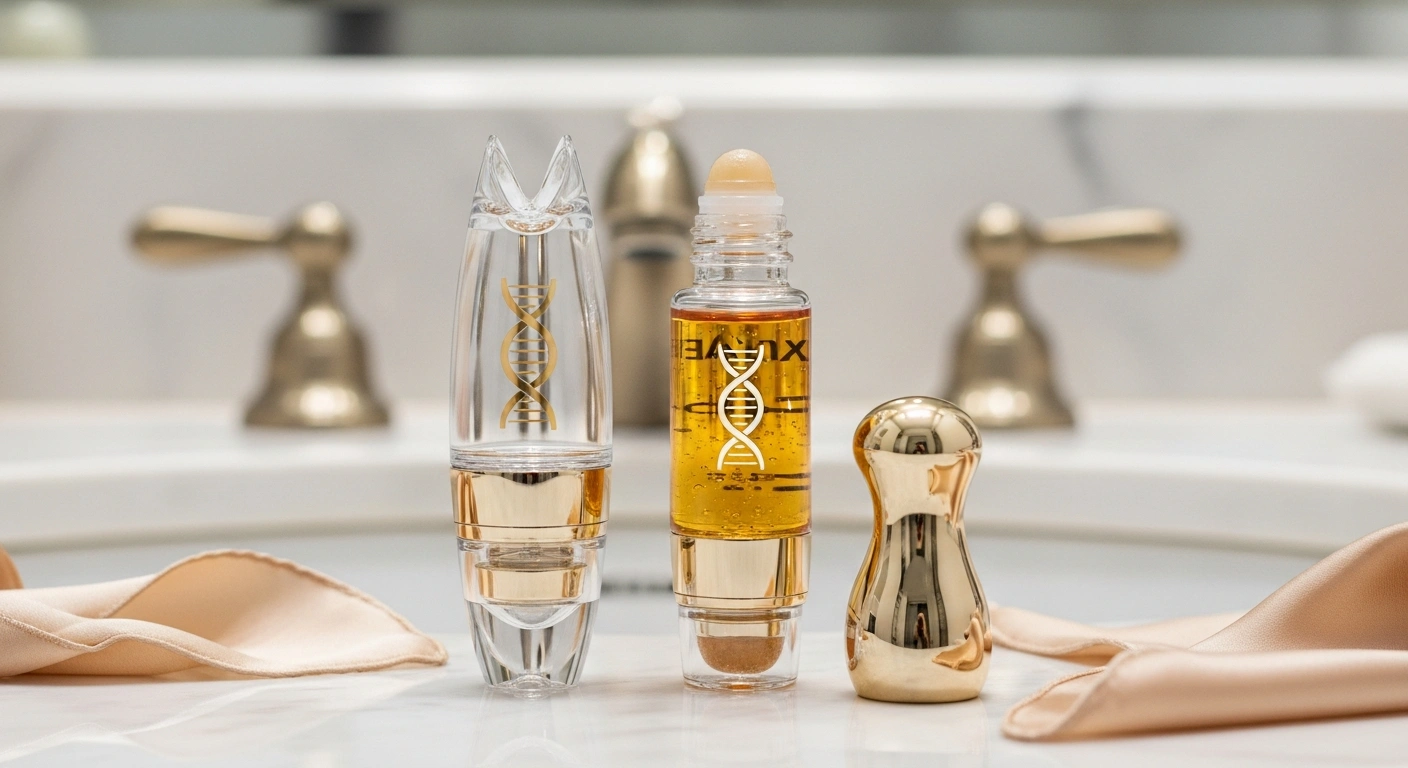
What Is just a Microneedle System and How Does It Purpose?
A microneedle package typically contains a mobile roller or pencil equipped with great medical-grade needles. These needles create tiny punctures that promote the skin's natural restoration process. Based on business dermatology information, managed micro-injury encourages collagen and elastin production, which are critical components responsible for skin stiffness and elasticity. This technique also improves relevant consumption efficiency, letting serums to enter deeper layers of the skin.
Why Microneedling Is Common Among Newcomers
Recent skincare market data reveal that at-home epidermis remedies have become significantly over the past few years. Microneedling stands apart because non-invasive character and comparatively reduced entry cost. Surveys indicate that most first-time users pick microneedling to address bumpy texture, dullness, and early signs of aging. When done properly, beginners usually report smoother epidermis within 4-6 weeks.
Security Criteria and Utilization Volume
Security remains a top problem for beginners. Medical recommendations recommend starting with shorter hook lengths and space sessions appropriately. Knowledge from skin-care studies claim that overuse may slow skin recovery as opposed to accelerate results. Many specialists guide letting the skin at the very least eight to twenty times between periods to keep optimum healing cycles. Correct sterilization of instruments before and after each use significantly reduces the risk of irritation.
Expected Benefits Based on Epidermis Data
Mathematical analysis from aesthetic dermatology study suggests that consistent microneedling may increase epidermis texture by measurable edges around a 12-week period. Improvements are typically steady rather than immediate. Collagen density raises over time, making persistence and uniformity critical. Beginners often see greater water and brightness before greater architectural improvements become noticeable.

Post-Treatment Attention and Epidermis Maintenance
After microneedling, the skin enters a heightened absorption phase. Information suggests that soft water and barrier-supporting products are most effective in this period. Severe substances or exorbitant shedding may disturb the healing process. Maintaining sunlight security is also essential, as newly handled epidermis could be more sensitive and painful to UV exposure.
Ultimate Insights for Novices
Microneedling remains to achieve traction because of its data-backed performance and adaptability for house use. For beginners, knowledge process, healing time, and realistic outcomes guarantees a better and more enjoyable experience. With informed use and uniformity, microneedle packages can be a dependable part of a long-term skin-care strategy.

Comments
Post a Comment