Home Microneedling Basics: Tools, Results, and Dermatology Trends
Microneedling is becoming one of the very most mentioned skin-care practices among professionals and home consumers alike. Designed to support skin renewal, microneedling employs great needles to produce controlled micro-channels on the skin's surface. For novices, knowledge how a microneedle Kit performs, just how to utilize it safely, and what results to expect is needed for reaching obvious improvements while minimizing risks.
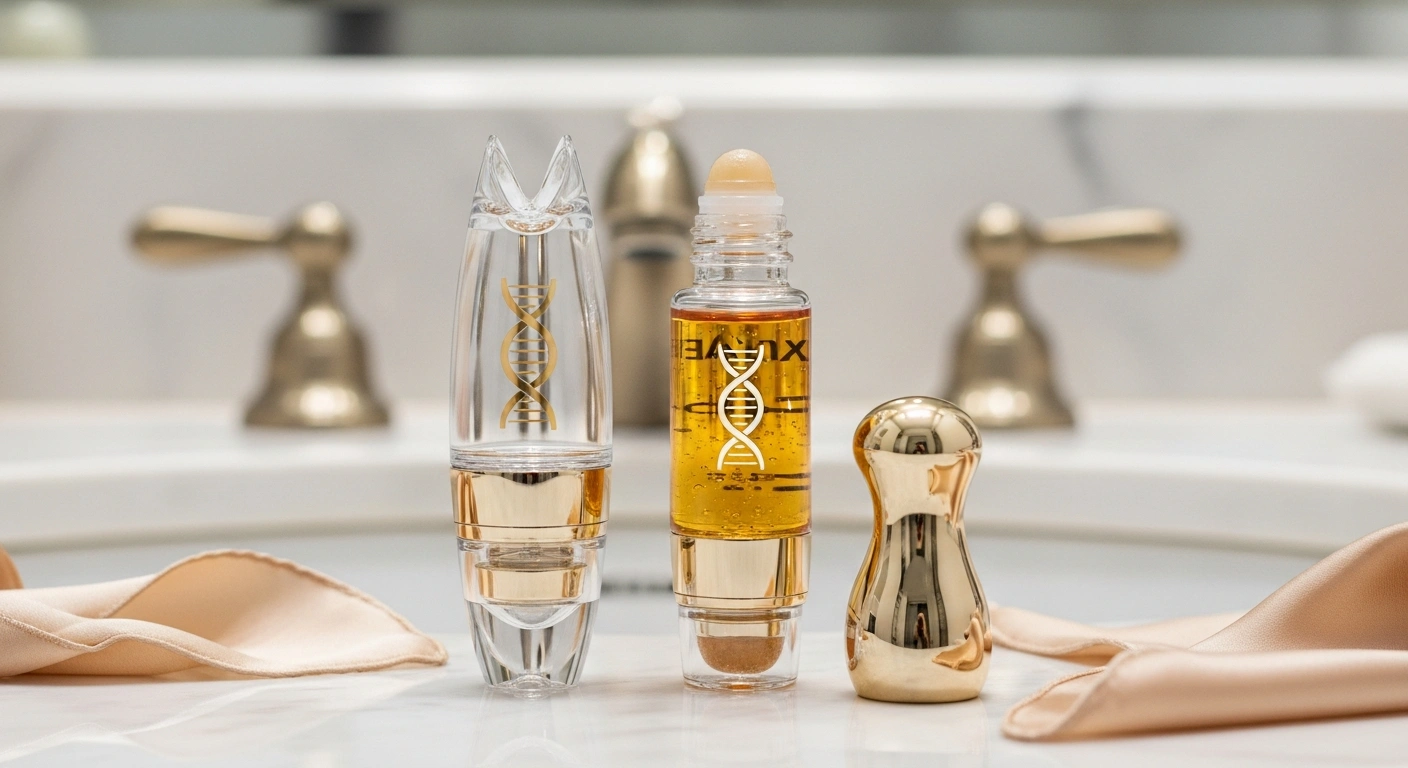
What Is really a Microneedle Equipment and How Does It Purpose?
A microneedle equipment on average includes a mobile roller or pen equipped with great medical-grade needles. These needles build microscopic holes that induce the skin's normal fix process. In accordance with business dermatology knowledge, controlled micro-injury encourages collagen and elastin production, which are critical parts responsible for skin tone and elasticity. This technique also improves topical absorption efficiency, enabling serums to enter greater levels of the skin.
Why Microneedling Is Common Among Newcomers
New skincare industry statistics reveal that at-home epidermis therapies have grown considerably over the past few years. Microneedling stands apart because of its non-invasive character and relatively minimal entry cost. Surveys indicate that a lot of first-time customers choose microneedling to address irregular consistency, dullness, and early signs of aging. When conducted correctly, beginners usually record softer skin within 4 to 6 weeks.
Protection Criteria and Usage Frequency
Safety stays a top issue for beginners. Clinical directions recommend beginning with faster needle programs and space sessions appropriately. Data from skin-care studies claim that overuse may gradual skin recovery as opposed to increase results. Most professionals recommend enabling the skin at the least eight to five times between periods to keep up optimal healing cycles. Proper sterilization of methods before and after every use considerably reduces the chance of irritation.
Expected Effects Based on Skin Statistics
Mathematical evaluation from cosmetic dermatology research suggests that regular microneedling can increase skin texture by measurable edges over a 12-week period. Changes are normally progressive rather than immediate. Collagen density increases over time, creating persistence and reliability critical. Newcomers frequently see better hydration and illumination before greater structural improvements become noticeable.

Post-Treatment Care and Epidermis Preservation
After microneedling, the skin enters a heightened assimilation phase. Information implies that soft moisture and barrier-supporting products are most effective during this period. Hard substances or extortionate expulsion may disrupt the therapeutic process. Maintaining sun security can be crucial, as freshly handled epidermis could be more painful and sensitive to UV exposure.
Final Ideas for Newcomers
Microneedling continues to get grip due to its data-backed usefulness and adaptability for home use. For novices, understanding method, recovery time, and sensible outcomes ensures a better and more gratifying experience. With knowledgeable use and consistency, microneedle sets may become a reliable part of a long-term skin-care strategy.

Comments
Post a Comment