Artificial Turf Cleaning Developments in San Diego: A Qualified FAQ Guide
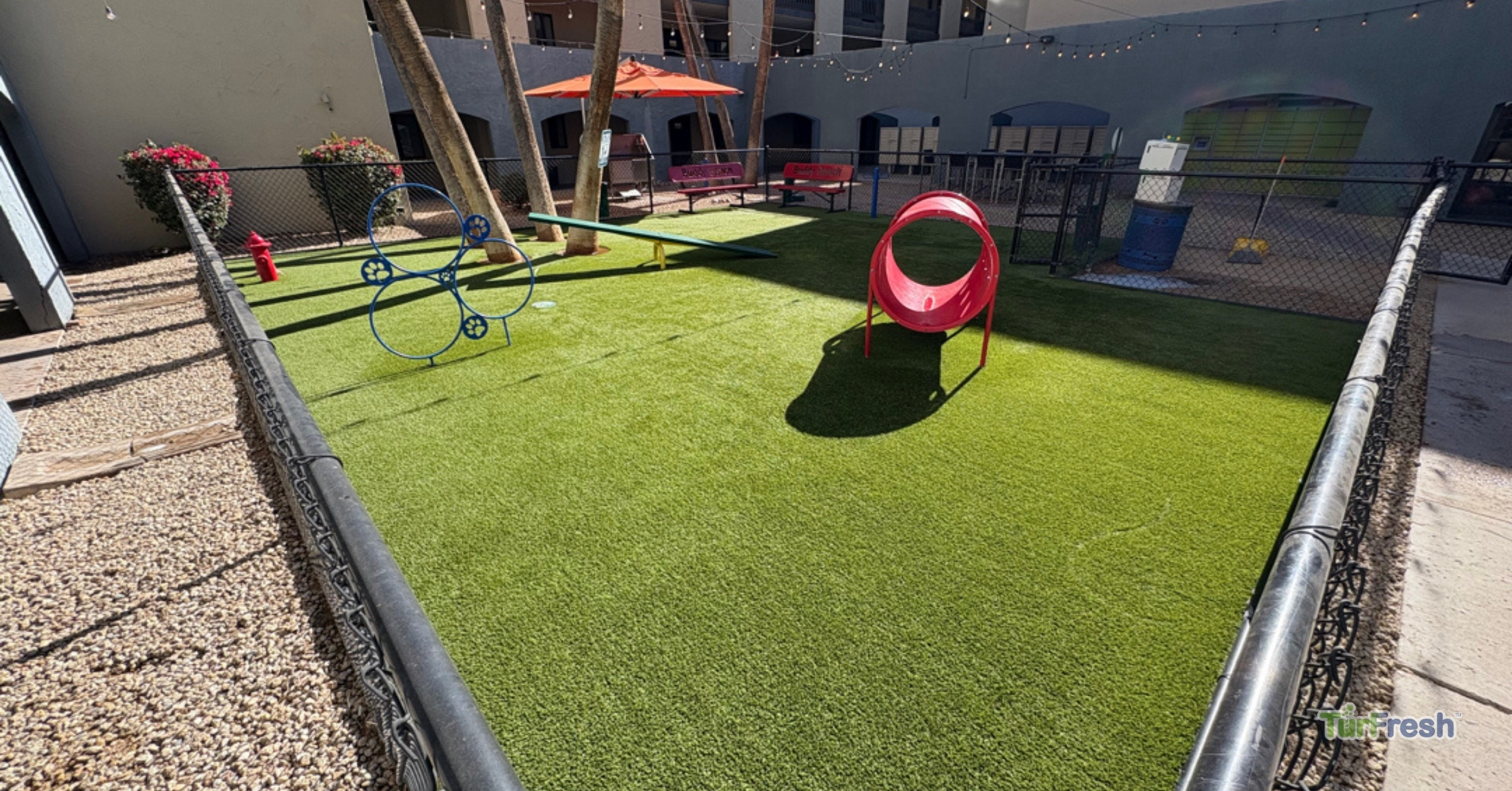
Synthetic turf has turned into a generally chosen gardening answer in San Diego because of its longevity, reduced water consumption, and year-round cosmetic appeal. However, sustaining its sanitation and hygiene is required for long-term performance. Recent knowledge demonstrates over 65% of residential and commercial property owners today prioritize regular artificial grass cleaning San Diego services to keep up safety, stench control, and aesthetic quality. That growing need shows a broader change toward organized preservation techniques supported by industry ideas and environmental considerations.
What Do Data Claim About Artificial Turf Maintenance?
Studies indicate that properly maintained synthetic turf can last between 12 to 15 years, while neglected materials may possibly display signals of wear in less than 6 to 8 years. Around 70% of turf users report increased pleasure when skilled cleaning is conducted at least twice annually. Also, microbial accumulation can improve by almost 40% in high-traffic parts without routine sanitation, highlighting the significance of regular upkeep.
Why Is Regular Cleaning Essential?
Artificial turf collects dust, normal debris, and microorganisms over time. In downtown conditions like San Diego, airborne contaminants and pet utilization more subscribe to contamination. Regular cleaning assists eliminate odors, prevent bacterial growth, and regain the turf's natural appearance. Data suggests that attributes with planned maintenance knowledge 50% fewer odor-related claims compared to these without a washing plan.
How Frequently Should Synthetic Turf Be Washed?
Maintenance frequency depends on use levels. Residential lawns on average need washing every 3 to 6 months, while commercial spots or pet-friendly parts might need regular attention. Surveys demonstrate that almost 60% of turf owners ignore washing volume, resulting in early use and hygiene concerns.
What Would be the Many Popular Issues Found in Artificial Turf?
The most often reported dilemmas include odor buildup, matting of fibers, and trash accumulation. Around 45% of users experience scent problems because of pet spend remains, while 30% record paid off turf resilience due to compacted infill. These dilemmas can be successfully maintained through skilled cleaning methods such as for instance deep cleaning, deodorizing, and sanitization.
Does Skilled Washing Improve Turf Life?
Sure, qualified cleaning plays an important role in increasing turf lifespan. Business data demonstrates schedule preservation can improve toughness by around 35%. By eliminating dangerous contaminants and repairing fiber design, cleaning ensures the turf keeps their functional and artistic properties around time.
Are There Environmental Benefits to Washing Synthetic Turf?
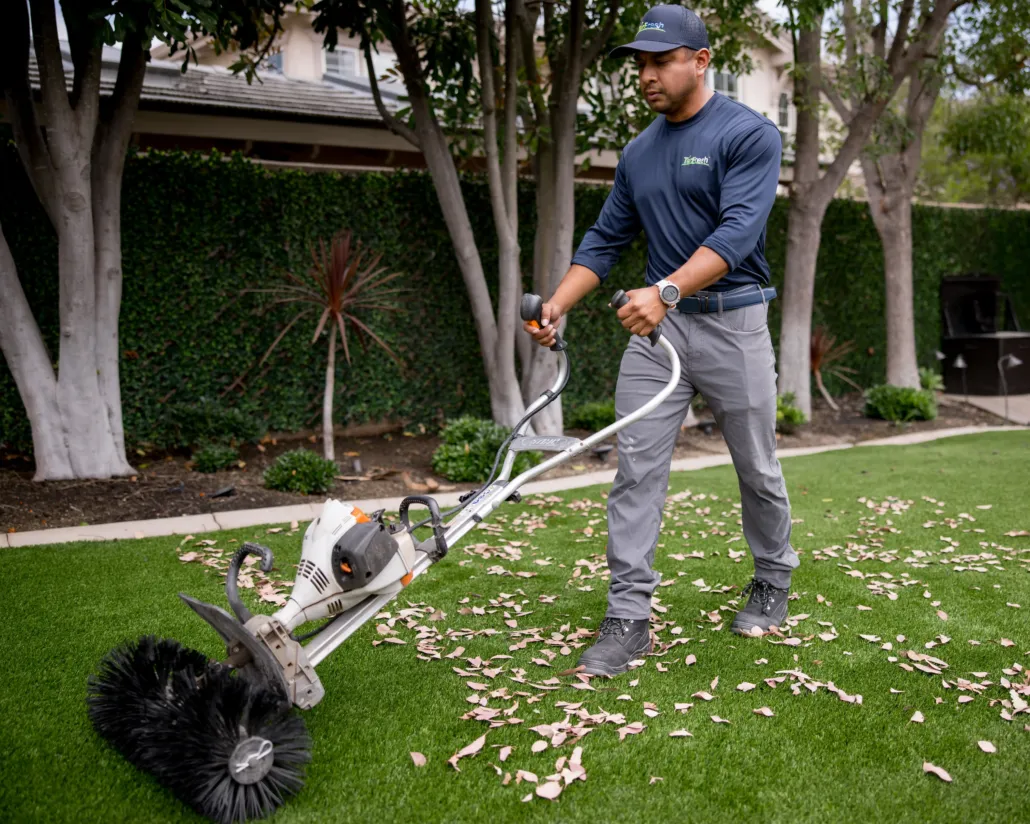
Normal cleaning supports environmental sustainability by lowering the need for early replacement. Correctly preserved turf diminishes spend generation and preserves the products utilized in their construction. Additionally, eco-friendly washing methods support save water in comparison to conventional lawn attention practices, aiming with San Diego's sustainability goals.
What Must Home Owners Contemplate When Preparing Maintenance?
House owners must evaluate factors such as for instance foot traffic, pet task, and periodic conditions. High-use areas need more frequent attention, while shaded parts may need attention to stop moisture-related issues. Statistics suggest that practical preservation planning decreases overall fees by around 25% compared to reactive repairs.
Conclusion
Synthetic turf remains to get recognition in San Diego, but its efficiency greatly is dependent upon consistent and professional maintenance. Data-driven ideas clearly show that typical cleaning promotes durability, health, and consumer satisfaction. By knowledge these trends and addressing popular issues, house homeowners may ensure their turf stays a long-lasting and valuable investment.

Comments
Post a Comment