Beginner compared to Seasoned CFD Resources: A Statistical Understanding into Trading Efficiency
In today's fast-evolving economic landscape, selecting the best trading tools represents an essential role in efficiency outcomes. That metatrader webtrader evaluation highlights the measurable differences between beginner-friendly programs and professional-grade techniques, emphasizing functionality, analytics, and execution efficiency. Knowledge these distinctions allows traders to align their instruments using their knowledge stage and proper goals.
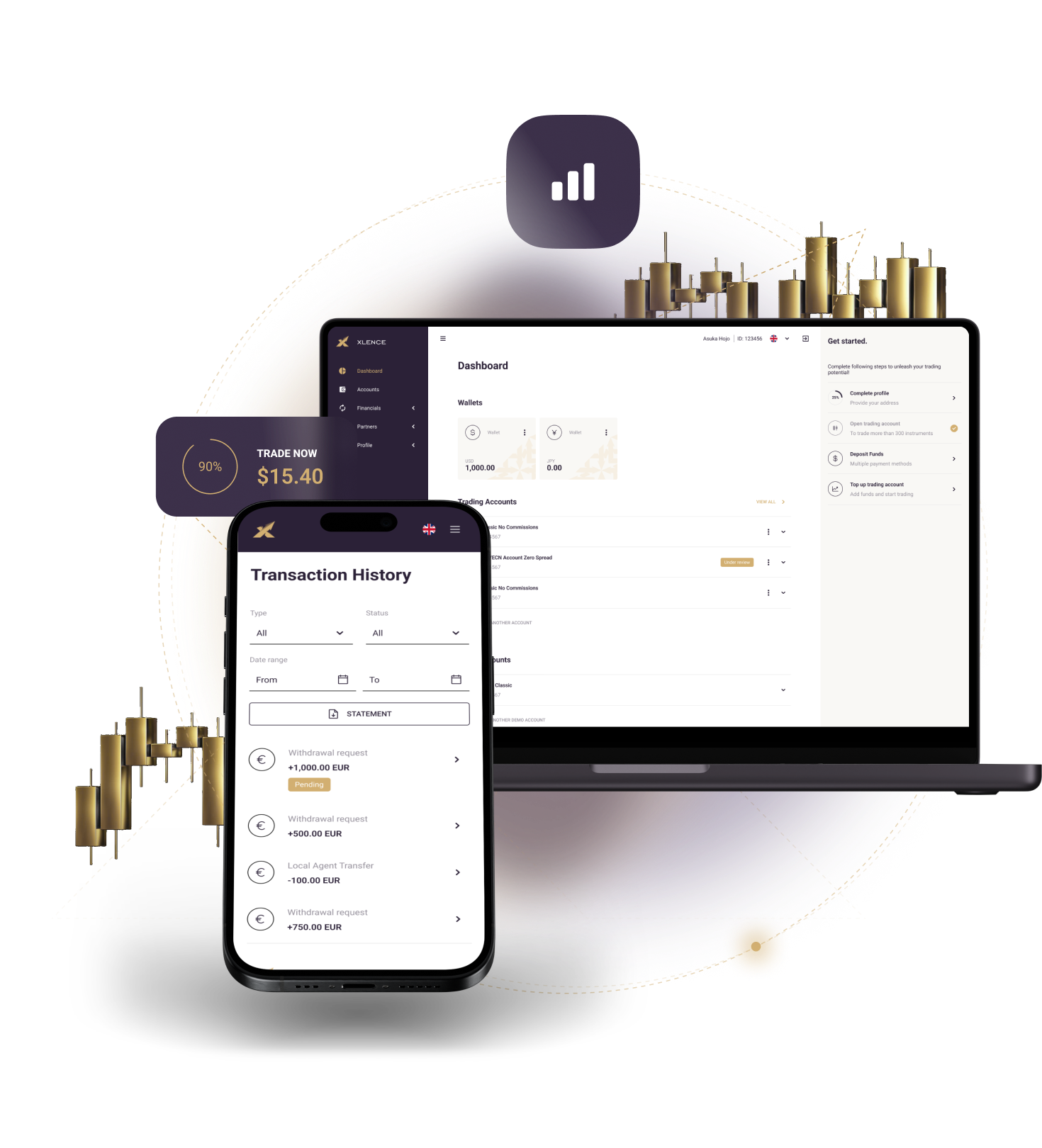
What Defines Novice CFD Trading Methods? Rookie instruments are made with simplicity and convenience in mind. In accordance with market findings, almost 68% of new traders choose platforms offering spontaneous dashboards and little setup complexity. Critical functions usually include: Standard planning with limited indicators Pre-set trading templates Educational sources and led tutorials Basic buy execution These resources prioritize ease of use around depth, making them well suited for users who're however understanding industry conduct and risk administration fundamentals.
What Makes Professional CFD Resources Various? Skilled trading instruments give attention to detail, pace, and advanced analytics. Studies suggest that skilled traders applying sophisticated methods can improve delivery efficiency by as much as 35% due to higher data interpretation. Key functions often contain: Multi-layered complex indicators and custom scripts Algorithmic and automatic trading options Real-time information feeds with little latency Sophisticated risk administration dashboards Such systems are designed for scalability, allowing traders to deal with bigger quantities and more technical strategies.
How Do Performance Metrics Examine? Mathematical comparisons reveal apparent differences in efficiency outcomes: Delivery Pace: Seasoned instruments process trades as much as 50% faster Data Depth: Sophisticated platforms present 3–5x more logical indicators Mistake Reduction: Automatic characteristics can reduce information mistakes by 20–30% Learning Bend: Starter instruments need 40% less onboarding time These metrics highlight that while beginner methods are better to follow, qualified methods considerably increase long-term trading efficiency.
Which Functions Matter Most for Development? For traders planning to change from rookie to professional levels, certain characteristics become important: Modification: Power to target signs and layouts Automation: Decreases emotional decision-making Knowledge Visualization: Improves structure recognition Risk Controls: Permits accurate money management Research shows that traders who slowly undertake sophisticated functions knowledge more consistent performance improvements than those who change abruptly.

Are Advanced Methods Suitable for Novices? While advanced systems offer superior operation, they may overwhelm new users. Data suggests that nearly 52% of beginners battle with complex interfaces throughout original usage. But, hybrid programs that combine ease with scalable features are getting significantly common, allowing consumers to unlock advanced resources because they get experience.
What Could be the Cost versus Price Perception? Skilled tools frequently have higher charges, but the value is based on efficiency and precision. Traders applying sophisticated analytics report increased decision precision, which could counteract platform costs around time. Starter resources, on another hand, provide cost-effective entry details with adequate operation for early-stage learning.
Ultimate Information Choosing between starter and qualified CFD trading resources depends on knowledge, strategy complexity, and long-term goals. While rookie tools provide a strong base, advanced instruments produce measurable performance advantages. A gradual move, reinforced by data-driven decisions, remains the very best way for sustainable trading growth.

Comments
Post a Comment