Frequently Asked Questions About Transitioning to Digital TV
The television landscape in the Nordic region has undergone an enormous transformation throughout the last decade. Visitors are going far from old-fashioned wire and satellite dues in favor of more variable, internet-based alternatives. In the centre of this change is Swedish IPTV (Svensk IPTV), something design that generates television material over Web Method systems rather than traditional terrestrial formats. This move is not really a driving development; it represents a simple change in how media is eaten, driven by an overwhelming need for greater pricing, broader material libraries, and on-demand seeing capabilities. Knowledge the mathematical information and customer behavior behind that motion assists clarify exactly why that modern technology is taking this type of large reveal of the regional leisure market.
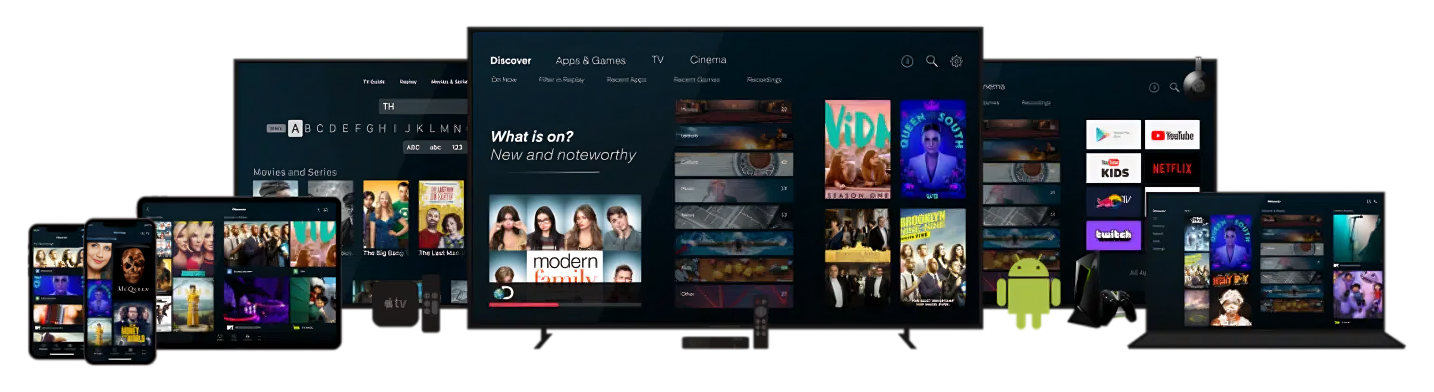
What is operating the shift toward internet-based broadcasting?
New industry surveys show that more than 607 of Nordic customers prioritize freedom within their day-to-day press consumption. Traditional transmitted schedules no longer arrange with modern, active lifestyles. Visitors need to view their favorite line, stay sports activities, and global information contacts by themselves terms. By leveraging advanced internet methods, loading systems give you a strong, on-demand infrastructure that heritage wire companies simply cannot match.
Simply how much has the market developed lately?
Market studies highlight a constant annual development rate of 15% to 20% for web protocol tv services across the place in the last five years. As high-speed fiber-optic broadband penetration reaches near-universal degrees in equally urban and suburban parts, the complex buffer to access for top quality streaming has effectively disappeared. Consumers now get the required bandwidth to aid 4K decision and uninterrupted stay shows seamlessly.
Are price savings a significant factor for consumers?
Mathematical evaluation of household activity costs reveals that average conventional wire dues can cost nearly double what equivalent internet-based packages charge. People looking to enhance their regular expenses often discover that they'll accessibility a much bigger array of channels—including premium film communities and specialized activities broadcasts—for a fraction of the cost. That distinct financial benefit remains a principal catalyst for the rapid usage rates observed recently.
What role does international material play in that development?
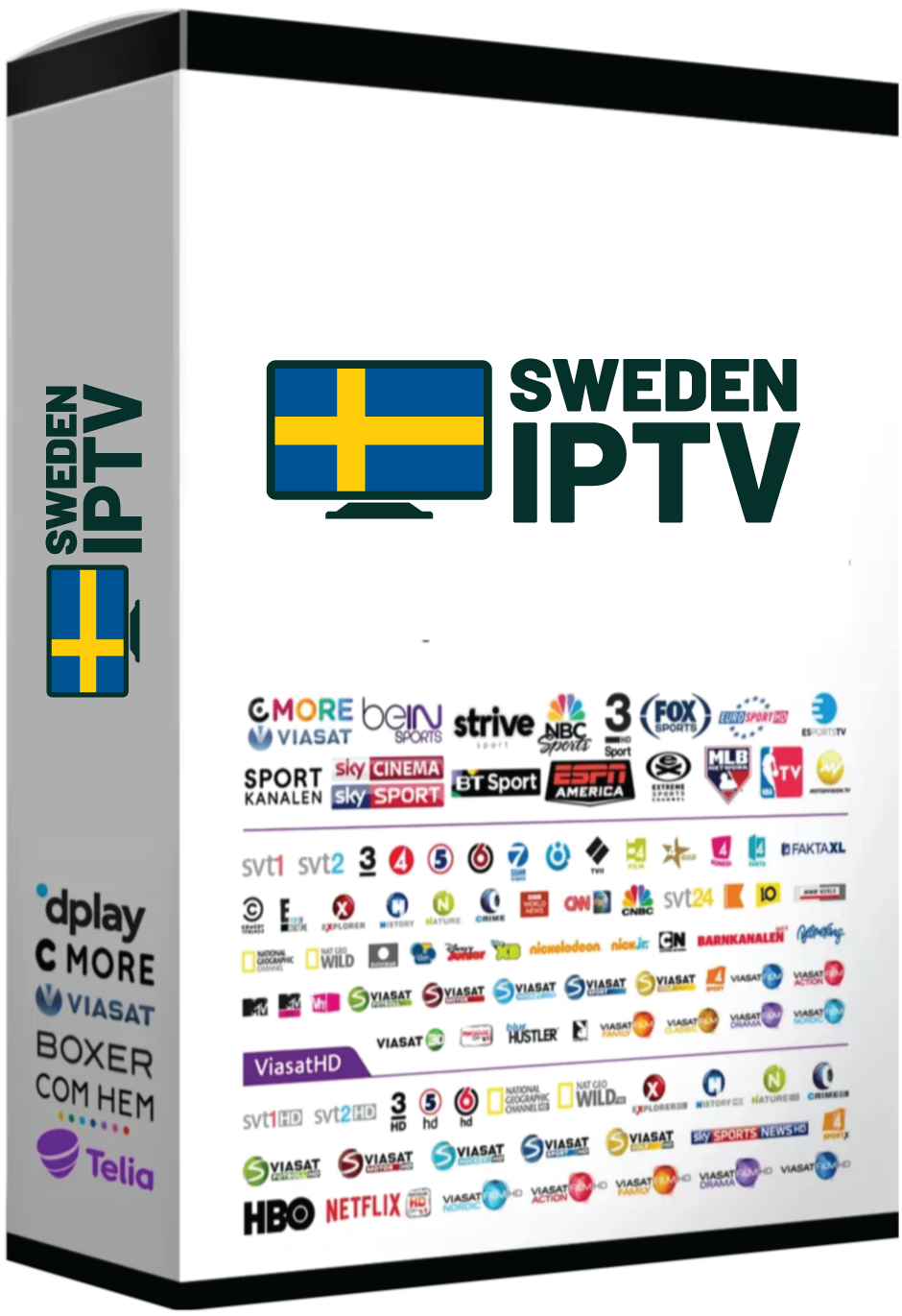
Demographic shifts and globalization imply that readers are far more diverse than ever before. Visitors frequently find programming from outside their house place, whether for cultural factors, language preservation, or just discovering broader amusement options. Old-fashioned providers often charge high priced premium charges for international packages. However, internet-based systems typically bunch global programs natively. Observing information reveals a remarkable 40% escalation in viewership for foreign-language coding among house holds utilizing these contemporary loading services.
What's the future prospect for traditional broadcasting?
Forecasts suggest a extended and accelerated fall for main-stream satellite and wire companies unless they fast conform to the digital-first expectations of the existing market. By 2026, market analysts assume internet-delivered tv and similar streaming technologies to account fully for a large proportion of all family press subscriptions. The mandatory net infrastructure is well established, and customer choice has strongly shifted toward the comfort, affordability, and extensive range that electronic systems easily provide.

Comments
Post a Comment