The Data Behind Superior Dental Prosthetic Outcomes
Quality get a grip on in dentistry stretches far beyond the dentist's chair. Whenever a patient gets a top, connection, or denture, the success of that restoration depends heavily on the production process. Picking a reliable dental lab is essential for ensuring that prosthetics fit correctly and purpose properly over time. New knowledge suggests that adherence to rigid production practices reduces the requirement for adjustments and somewhat increases long-term medical results. By analyzing the figures behind these criteria, practitioners may greater know how manufacture quality translates directly into individual pleasure and verbal wellness safety, which really is a major problem for almost any contemporary dental training trying for excellence.
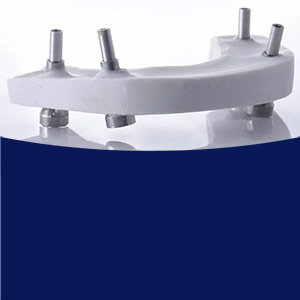
What proportion of restorations involve changes because of poor manufacturing?
Medical studies reveal that almost 15% of indirect restorations involve chairside adjustments before ultimate cementation. But, when facilities stick to ISO qualification criteria, that change rate lowers below 4%. Precision in digital checking and milling decreases individual error, ensuring a much better little fit. That statistic shows precisely why rigorous quality guarantee standards are crucial for lowering seat time and blocking patient disquiet throughout the seating process.
How can material standards affect the longevity of dental prosthetics?
Product deterioration stays a number one cause of prosthetic failure. In accordance with industry surveys, crowns fabricated with ineffective components have a 20% higher failure charge within the very first five years compared to these made with FDA-approved ceramics and alloys. High-grade zirconia and lithium disilicate offer superior flexural energy and fracture toughness. Facilities that enforce strict substance affirmation operations ensure that people receive tough restorations that resist everyday masticatory makes, lowering the likelihood of unexpected and expensive replacements.
What is the impact of cross-contamination practices on individual protection?
Illness get a grip on provides as another important metric in repair manufacturing. Approximately 68% of dental professionals recognize cross-contamination as a key matter when giving thoughts and receiving ultimate cases. Standardized disinfection procedures reduce the danger of microbial transmission by over 99%. Facilities that apply documented sterilization workflows protect equally clinical staff and immunocompromised individuals from potential pathogens that can quickly bargain therapeutic and overall recovery.
Do electronic workflows improve medical outcomes compared to old-fashioned strategies?
The change from analog to digital manufacturing has developed measurable improvements in restorative dentistry. Knowledge demonstrates CAD/CAM-assisted designs obtain limited mistakes of less than 50 micrometers, which is somewhat greater compared to the typical 100-micrometer medical acceptability threshold. Techniques using fully digital workflows record a 30% lowering of rebuilding rates. That increased degree of precision effortlessly prevents microleakage, secondary caries, and periodontal inflammation, eventually preserving the patient's organic tooth framework for a considerably longer period.
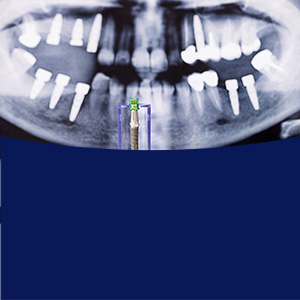
How can turnaround time correlate with detailed quality get a grip on?
While expedited shipping is always interesting, hurried manufacture usually compromises ultimate scientific outcomes. Statistics indicate that cases expedited without normal recovering and milling instances experience a 12% upsurge in architectural defects. Establishing a healthy workflow that enables for extensive multi-point inspections ensures that each prosthetic matches rigid clinical requirements before it actually leaves the center for delivery.
Maximizing Individual Accomplishment Through Stringent Methods
The info is abundantly distinct regarding modern restorative dentistry. Manufacturing requirements purely determine the clinical achievement of dental prosthetics. By prioritizing precision, employing confirmed components, and sustaining strict health practices, suppliers considerably minimize failure costs and necessary scientific adjustments. Dental methods should carefully evaluate their production associates to make certain they consistently match these rigorous market benchmarks. Finally, buying high-quality manufacture translates directly to increased individual security, increased practical durability, and a significantly higher normal of treatment across the whole dental profession, ensuring that each look restored is built to last an eternity without unnecessary complications.

Comments
Post a Comment