Why More Viewers are Switching to Internet Protocol Networks
The landscape of digital entertainment has shifted significantly throughout the last several years, pushed by a growing need for top quality, on-demand content. Recent observing information indicates a huge migration far from old-fashioned satellite and cable networks. Central to this transformation is IPTV Sweden (IPTV Sverige), providing a strong infrastructure for offering seamless media right to modern households. As consumers analyze their monthly subscription expenses and changing seeing habits, internet-based transmission remains to capture a dominant market share, prompting many to question how that technology operates and what the numbers really reveal.
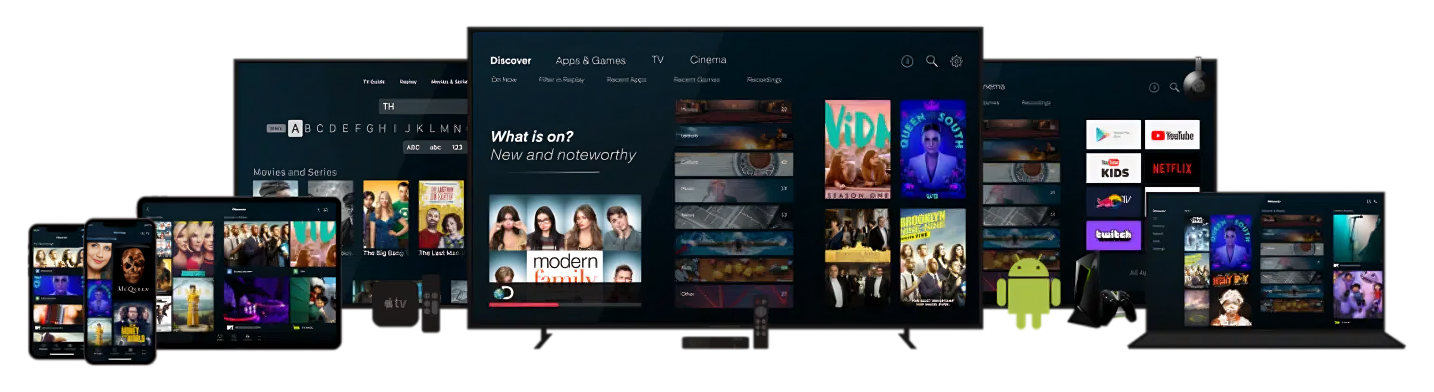
What do recent statistics show about streaming use?
Studies monitoring press consumption show a steady decrease in old-fashioned tv viewership. Presently, over 70% of households choose internet-based tools for their daily entertainment. That change is mostly fueled by the need for personalized observing schedules and expansive material libraries. Data implies that users spend typically four hours everyday consuming electronic press, emphasizing the requirement for reliable, high-bandwidth loading answers that can handle peak traffic without buffering.
How does internet project television increase observing quality?
Complex performance metrics highlight a substantial benefit for electronic loading protocols. Traditional contacts usually suffer from signal deterioration due to climate or equipment limitations. On the other hand, contemporary digital distribution techniques maintain a 99.9% uptime charge, applying advanced retention methods to deliver 4K and actually 8K quality smoothly. System analytics confirm that packet loss and latency reach traditional levels, ensuring that viewers knowledge uninterrupted stay sports, films, and international channels.
What're the economic people behind this move?
Consumer spending studies show that the typical house may minimize its annual activity expenses by nearly 30% when switching from provided cable deals to structured electronic alternatives. Rather than spending money on hundreds of unwatched routes, subscribers like targeted plans that align making use of their specific interests. This cost-efficiency, coupled with zero installation charges and the removal of proprietary hardware rentals, makes internet-based broadcasting extremely beautiful from an economic standpoint.
Which demographic is operating the rise in viewership?

Demographic analysis suggests that while millennials and Gen Z initially spearheaded the cord-cutting motion, ownership prices among users outdated 50 and older have surged by 45% previously two years. This wide demographic appeal is attributed to user-friendly interfaces, smooth clever TV integration, and multi-device compatibility. As internet literacy becomes general, the barrier to entry for creating and moving digital television has efficiently disappeared.
What potential trends are suggested by economy information?
Predictive modeling forecasts that internet-based broadcasting can account fully for over 85% of home theatre supply by the conclusion of the decade. Investments in high-speed mobile communities and fiber-optic infrastructure are definitely eliminating geographical barriers, bringing high-speed use of rural and distant regions. Additionally, the integration of wise calculations for personalized material tips is expected to boost consumer involvement metrics by one more 20%, cementing digital supply since the undisputed typical for press consumption.

Comments
Post a Comment