Key Considerations When Sourcing Peptides for Research
Peptides have grown to be a significant focus across scientific and research neighborhoods, with the global peptide therapeutics industry appreciated at over $40 million lately and predicted to keep climbing. As curiosity develops, so does how many suppliers and solution options. Before you choose to peptides buy, it gives to understand what separates a credible resource from an unreliable one. The issues below handle the considerations scientists raise many often.

What are peptides used for in study?
Peptides are short restaurants of proteins that play a role in countless natural processes. In laboratory controls, they're studied due to their purpose in mobile signaling, hormone regulation, and metabolic pathways. Approximately 80% of peptide study centers around applications within drug progress and natural analysis, which explains the regular demand for high-purity products.
How important is item love?
Purity is likely the single most important factor. Many respected companies present peptides at 98% purity or older, and that determine straight influences the consistency of experimental results. A distinction of even a few percentage items can introduce parameters that compromise data. Always try to find products that are included with verifiable love ratings.
What documentation must accompany a peptide item?
A reputable dealer provides paperwork for each and every batch. That an average of includes a Certification of Analysis, along with benefits from high-performance liquid chromatography and mass spectrometry testing. Reports suggest that almost 1 in 5 study setbacks trace back to inadequate product data, so total paperwork saves both time and money.
How must peptides be saved?
Storage problems influence balance and shelf life. Many peptides remain secure for 12 to 24 months when kept in a freezer at -20°D, from light and moisture. Incorrect storage can weaken a product within weeks. Confirm that any company vessels with appropriate cold-chain strategies and gives obvious managing guidance.
Why does third-party testing subject?
Separate proof adds a coating of self-confidence that inner testing alone cannot. About 30% of quality problems in the research present chain base from products and services that were never externally validated. Whenever a supplier shares third-party effects, it signs transparency and a responsibility to consistent standards.
What pricing red flags must consumers view for?
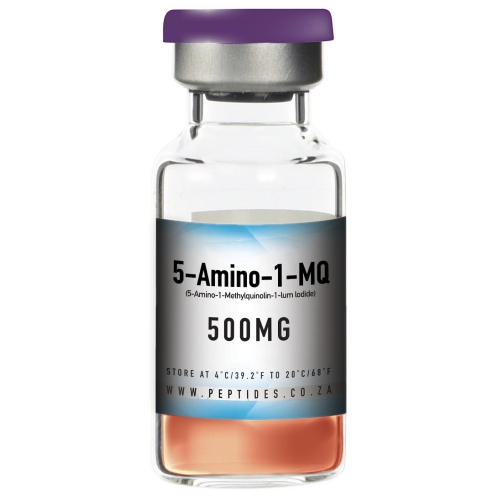
Price can disclose a lot about quality. Products listed far below the marketplace normal usually reveal decrease purity or shortcuts in testing. While comparison looking is clever, handle extraordinarily cheap offers with caution. Reliable products typically fall within a expected cost range that shows arduous generation and verification.
How can consumers confirm a supplier's status?
Name forms around time. Try to find manufacturers with recognized track records, clear contact facts, and printed client feedback. Surveys suggest that a lot more than 60% of experts consult opinions or fellow suggestions before committing to a purchase. A few momemts of background research may prevent expensive mistakes.
Making a comfortable decision
Choosing the right peptide product comes down seriously to diligence. Prioritize purity, need correct documentation, validate storage techniques, and confirm both testing and reputation. By weighing these facets cautiously, you place your research for accurate, repeatable results—and you protect your allowance from avoidable setbacks. Informed consumers constantly record fewer troubles and greater confidence within their outcomes.

Comments
Post a Comment