A Business Owner’s Guide to Manufacturing Equipment Investment Planning
manufacturing equipment financing is an economic alternative that helps commercial companies acquire machinery, generation tools, and specific gear without spending the entire purchase cost upfront. It allows makers to obtain crucial assets while sustaining functioning capital for schedule operations. Businesses can use this approach when establishing creation services, exchanging aged equipment, or expanding present production capabilities. Understanding the available financing structures helps owners make informed choices that align using their functional objectives.

Why Do Manufacturing Companies Need Gear Financing?
Production operations depend on reliable equipment to maintain productivity, manage manufacturing schedules, and meet client expectations. However, buying equipment overall can position stress on available organization funds. Gear financing offers an alternative that enables businesses to distribute funds around an decided period. That agreement might help keep liquidity for staff costs, fresh products, preservation, and other working requirements. In addition, it allows firms an opportunity to pursue improvements without disrupting essential daily activities.
Which Kinds of Gear Can Be Financed?
Makers might find financing for a wide selection of resources, depending on the business and production requirements. Frequent instances include CNC machines, professional presses, presentation systems, welding gear, assembly lines, cutting machinery, and computerized manufacturing technology. Material managing gear and quality inspection methods could also qualify. Eligibility depends on the financing company, the equipment's supposed use, their situation, and the proposed agreement. Organizations should identify equipment that directly helps creation targets before exploring acceptable arrangements.
How Does the Financing Process Function?
The process generally starts with distinguishing the gear expected and calculating its expected contribution to company operations. Manufacturers then review financing alternatives, make organization documentation, and send an application. Vendors may possibly determine running history, cash movement, credit data, present obligations, and gear details. If approved, the applicant evaluations the planned repayment schedule, applicable costs, contractual responsibilities, and control conditions. Cautiously analyzing these phrases before signing assists companies realize their commitments and strategy their finances more effectively.
What Should Companies Assess Before Using?
Companies should assess their current economic position and establish whether estimated operational benefits justify the financing commitment. Crucial factors include gear consistency, installation demands, preservation needs, staff instruction, and compatibility with existing manufacturing systems. Firms should also consider how repayments squeeze into projected money movement all through equally busy and slower periods. Preparing appropriate financial documents and a reasonable functioning outlook can support the application form method and help identify possible problems before they affect production.
May Financing Help Manufacturing Expansion?
Sure, financing will help corporations purchase additional machinery when raising manufacturing capacity or introducing new service lines. Access to appropriate gear might increase workflow reliability, minimize handbook bottlenecks, and support changing client requirements. Nonetheless, growth should really be predicated on realistic demand forecasts rather than assumptions about potential sales. Producers should consider company consistency, workforce accessibility, center volume, and ongoing operating expenses along side the planned financing arrangement.
How Can Organizations Pick a Acceptable Financing Solution?
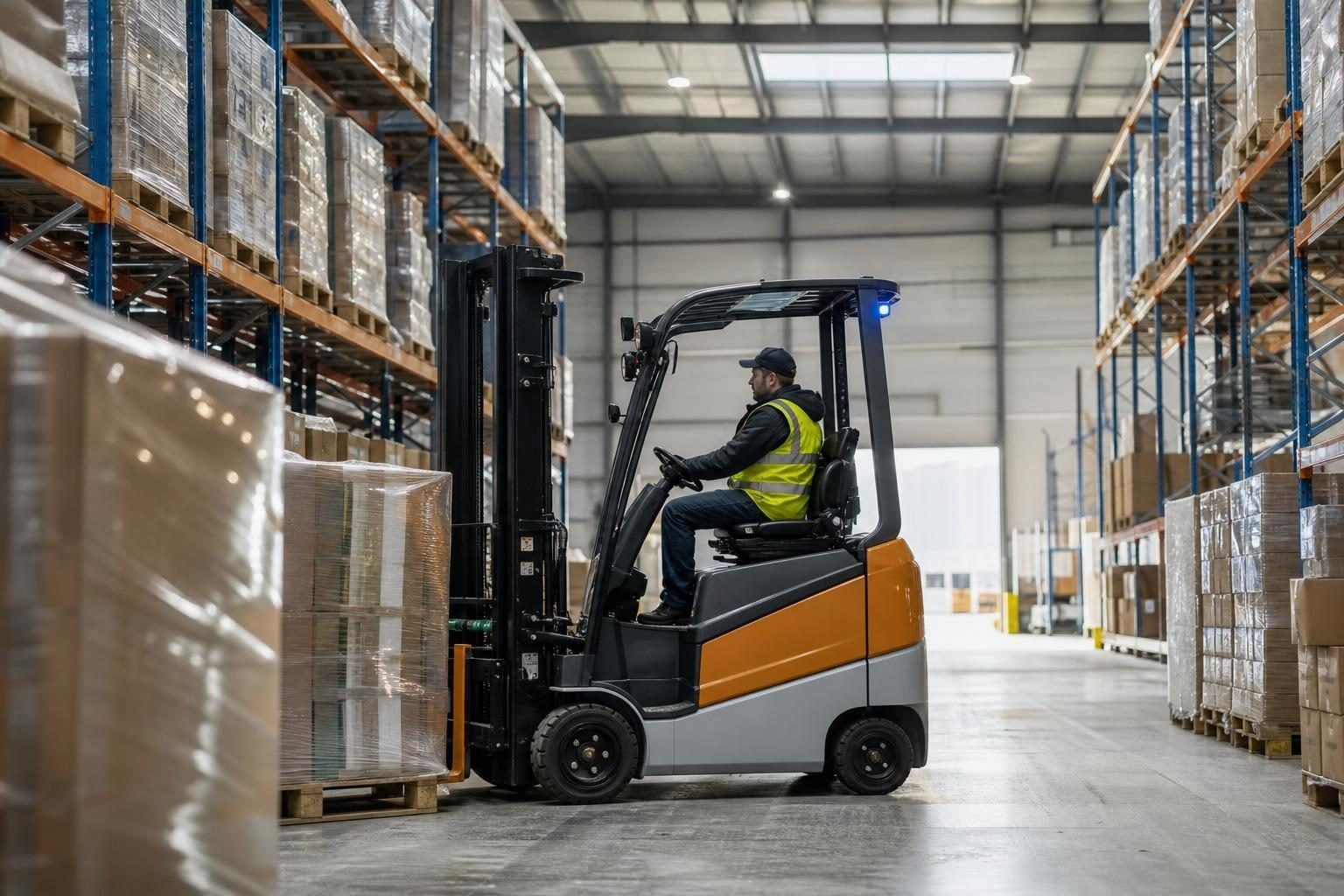
The right alternative depends on organization goals, equipment demands, and the supposed period of use. Producers should assess repayment freedom, agreement conditions, full contractual obligations, maintenance responsibilities, and possession arrangements. Apparent interaction with financing services will help resolve questions about certification and eligibility. A vigilantly examined agreement can help gear purchase while supporting the company maintain economic stability.
What May be the Principal Takeaway for Professional Organizations?
Manufacturing equipment financing can provide a organized way to obtain essential equipment while guarding detailed resources. Businesses that understand their generation needs, evaluation contractual phrases, and make practical financial forecasts are greater placed to produce responsible decisions. A in the offing strategy helps manufacturers stability equipment investment with long-term performance, resilience, and sustainable commercial growth.

Comments
Post a Comment